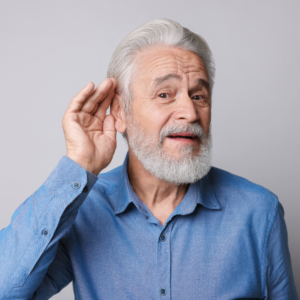

It’s easy to brush off temporary hearing loss. Perhaps you experience a sensation of ear fullness following air travel. Sounds could seem significantly less clear after a night of loud music. It might happen that you start your day with audio that feels strangely far away and blurred.
These symptoms often improve on their own, so many people assume temporary hearing changes are harmless. More often than not, they pose no permanent threat. That said, comprehending what causes temporary hearing drops and knowing the right time for a medical checkup is fundamental to your lasting auditory strength.
The Definition of a Brief Shift in Hearing Ability
The term temporary hearing loss describes a fleeting decrease in hearing power that often vanishes after medical treatment or self-resolution.
One might detect:
- Dull or strangely altered auditory perceptions
- A perceived weight or blockage inside the ear
- Hardship in grasping what others are saying
- Persistent buzzing or ringing sensations in one or both ears
- A lower threshold for tolerating loud environments
Although these symptoms seem manageable, they represent feedback from your body that your hearing mechanisms are not functioning correctly.
Well-Known Factors in Brief Hearing Loss
Short-term hearing reduction stems from various recognized sources, most of which can be addressed.
Obstructed Ears Due to Wax
One of the primary reasons for auditory muffling is earwax impaction. When wax builds up and blocks the ear canal, sound waves can’t travel efficiently to the eardrum. Professional ear cleaning often restores hearing quickly.
Pro tip: You can safely treat minor earwax buildup at home using over-the-counter softening drops and gently flushing the ear with a bulb syringe. But remember to never stick swabs or foreign objects into your ears, as this often forces wax deeper and risks an eardrum perforation.
Fluid in the Middle Ear
Viral infections, sinusitis, and allergies are known to trigger fluid accumulation in the middle ear. This medical state, referred to as otitis media with effusion, often causes audio to seem muffled or submerged. As the pressure subsides, the hearing typically gets better.
Noise Exposure
High-volume situations such as shows, games, or industrial tools can briefly harm the microscopic hair cells of the inner ear. This specific auditory dip is identified as a temporary threshold shift. While hearing often returns within hours, repeated exposure increases the risk of permanent damage.
Atmospheric Pressure Fluctuations
Plane trips, underwater diving, or driving up mountains can cause pressure shifts that disrupt hearing. Most cases resolve once pressure equalizes, although persistent symptoms should be evaluated.
Particular Medications
Specific drugs can briefly impact auditory health or trigger ringing. Should your hearing change upon starting a new medication, it is essential to notify your provider.
Identifying Serious Non-Transient Hearing Loss
Though most cases fix themselves, not every instance of brief hearing loss gets better independently. A rapid loss of hearing in a single ear, particularly over a short window, is a medical crisis needing an instant exam.
Overlooking symptoms can hold up treatment for latent infections, inflammation, or early red flags of serious illness. In certain instances, a seemingly temporary drop is actually permanent damage that requires early professional care.
The Value of Early Assessments for Brief Auditory Reductions
The ability to hear is essential for interpersonal communication, physical equilibrium, and cognitive strength. Even short periods of hearing loss can increase tension, cause verbal errors, and change how you function daily.
An audiological checkup can identify if your signs are simple temporary loss or a crisis needing fast care. Early identification typically results in more direct and efficient medical solutions.
Never Ignore Auditory Fluctuations
Should your hearing seem dull, plugged, or altered, you should contact a hearing professional or ENT. Temporary hearing loss is often treatable, but only if the underlying cause is identified.
Should your hearing clarity change, we invite you to set up an assessment as soon as possible. Call our care team to schedule an appointment today. Protecting your hearing now can help preserve it for years to come.