Because hearing loss typically progresses slowly, early symptoms frequently remain undetected by the individual. It is common for people to adjust to hearing shifts by elevating device volume and avoiding social situations with significant background noise.
Seeking an initial evaluation can assist in optimizing daily communication.
Primary Signs of Developing Hearing Impairment
If you notice any of the listed clinical signs, it is advisable to schedule a professional evaluation.
- Impaired speech discrimination during dialogue in loud or crowded environments.
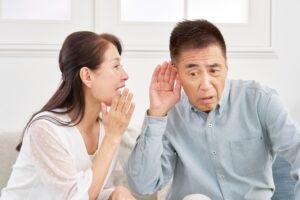
- Frequent instances of asking for verbal repetitions during conversation.
- Muffled or blurred vocalizations, where words sound blended together.
- Setting increased decibel settings for electronic devices than is typical.
- Decreased perception of high-pitched stimuli like children’s speech or doorbells.
- Auditory sensations such as ringing, buzzing, or humming, known as tinnitus.
- Feeling cognitively fatigued after social interactions, resulting from increased efforts to hear better.
- Retreating from communal environments as conversational tracking becomes difficult.
Initial auditory warnings are often present in one or both ears and can fluctuate at first. Since the auditory cortex adapts to changes, compensatory behaviors often go unnoticed until clinical hearing loss is substantial.
Hearing Loss By The Numbers
According to the World Health Organization, more than 700 million people will require hearing rehabilitation by 2050. Other relevant statistics involve:
- By 2050, nearly 2.5 billion people are projected to have various levels of hearing loss.
- Over 5% of the world’s population (430 million people) necessitates rehabilitation to address significant hearing loss.
- More than 1 billion younger individuals are at risk of avoidable hearing loss caused by unsafe listening practices.
- Among those over the age of sixty, more than one-quarter suffer from clinically significant hearing loss.
Why Timely Auditory Assessment Matters
Failure to address auditory decline influences systemic well-being and daily wellness.
Data confirms a link between auditory impairment and risks involving dementia and mobility issues.
Identifying symptoms at an early stage ensures optimal results and varied therapeutic choices.
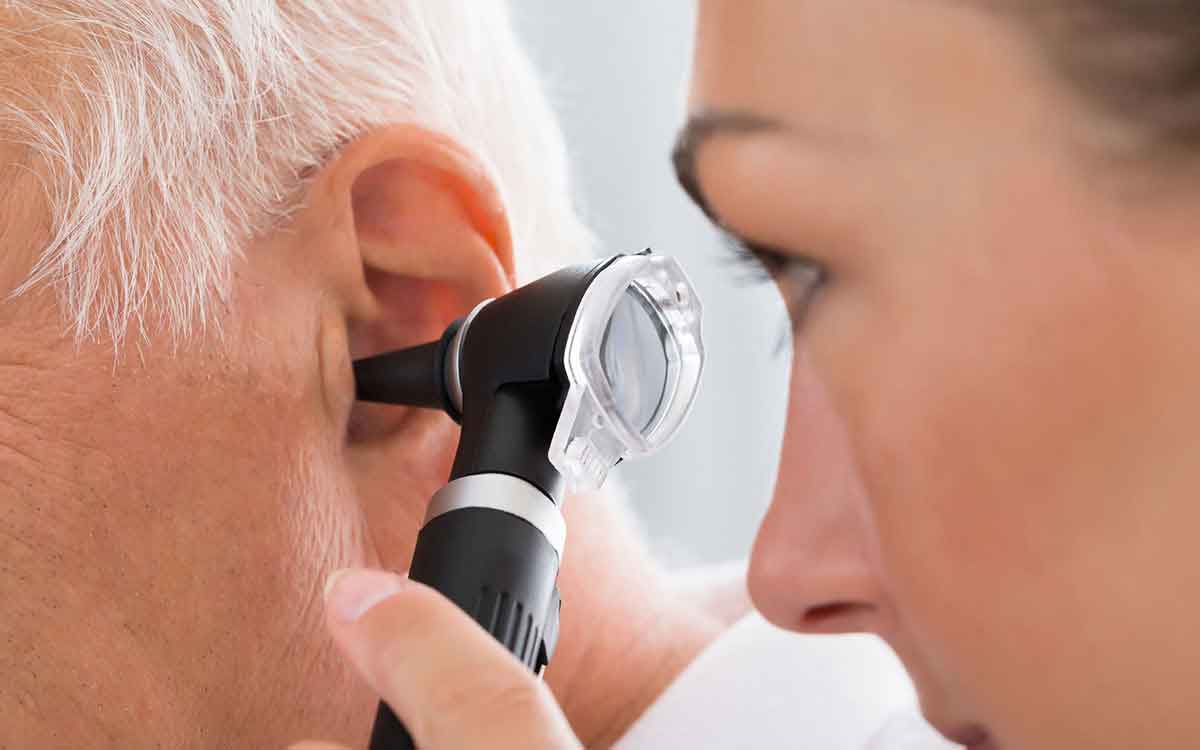
A professional assessment identifies if hearing shifts are caused by aging, earwax impaction, or different medical factors.
Occasionally, hearing shifts are not permanent and resolve with intervention.
Alternatively, timely adoption of hearing aid technology or preventative measures may mitigate further decline.
When to See a Hearing Specialist
A clinical hearing assessment is warranted if you experience the following:
- Auditory symptoms persist for a duration exceeding several weeks.
- Auditory challenges disrupt occupational performance and social life.
- Experiences with acute hearing loss, vertigo, or chronic tinnitus warrant prompt clinical attention.
Assessments for hearing are noninvasive procedures, offering essential information into your ear health.
Contact our hearing clinic today if you think you would find value in a hearing evaluation.
Auditory Health FAQ: Initial Symptoms
Question: Does hearing loss only occur with aging?
A: No. While age-related hearing loss is common, hearing changes can also result from noise exposure, medications, infections, genetics, or underlying medical conditions.
Q: Can hearing loss be reversed?
Answer: Specific causes, including earwax blockage, may be susceptible to reversal through treatment. While other forms are irreversible, they can usually be managed with professional treatment or hearing technology.
Q: How often should hearing be checked?
Answer: Clinical guidelines suggest a baseline evaluation by the age of 50, or earlier if symptoms of hearing loss are noticed.