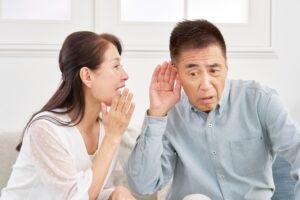
Public perception frequently ties hearing loss with getting older, but for millions of Americans, physiological damage begins at a younger age. Among the most frequent and preventable categories of auditory damage, noise-induced hearing loss frequently develops incrementally, advancing subtly and remaining undiagnosed until the clinical effects are permanent.
Grasping the longitudinal impact of sound exposure on the auditory system facilitates proactive protection before major hearing loss develops.
Defining Sound-Triggered Hearing Loss: An Overview
Noise-induced hearing loss occurs when loud sounds damage the delicate structures inside the inner ear. Data from the CDC indicate that, sounds above 85 decibels (roughly the volume of heavy traffic) can begin to cause hearing damage with repeated or prolonged exposure. Louder sounds, like those from concerts, power tools, or firearms, can cause damage in minutes or even seconds.
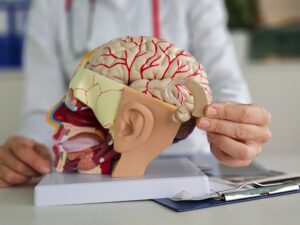
Inside the inner ear are tiny sensory cells called hair cells. The function of these cells is to transduce mechanical vibrations into neural impulses for cerebral processing. The inability of hair cells to regenerate after trauma explains why noise-induced hearing loss results in a permanent auditory deficit.
Understanding How Ear Injury Progresses Through Chronic Exposure
The insidious nature of noise-induced hearing loss is highlighted by its gradual developmental timeline. Early-stage symptoms resulting from noise exposure often include:
- Transient auditory sensations such as ringing or buzzing (Tinnitus)
- Subjective hearing attenuation or muffling after high-decibel events
- Impaired speech discrimination in the presence of background noise
Initial symptoms may subside, frequently resulting in the incorrect assumption that hearing function has returned to baseline. In fact, chronic noise exposure causes ongoing trauma to inner-ear anatomy, slowly reducing hearing clarity and sensitivity over time.
The hearing loss Association of America estimates that 48 million individuals in the US suffer from hearing loss, often without realizing the cause.
Identifying Routine Sound Hazards Impacting Hearing
We live in a noisy world, and it’s easy to become desensitized to loud sounds. Due to this, the commonality of injurious sound exposure often goes unrecognized.
Commonly encountered risks include:
- Concert settings and loud musical performances
- Personal audio devices utilized at excessive decibel levels
- Industrial tools, lawn maintenance equipment, and motorcycles
- Workplace noise in construction, manufacturing, or warehouses
The everyday occurrence of these sounds allows for progressive damage to develop without obvious warning.
The Reason Auditory Prophylaxis Are Clinically Essential
Noise-induced hearing loss is physiologically irreversible, unlike many other health impairments. Despite its permanence, the condition is significantly preventable. Simple protective habits can significantly reduce risk, including:
- Using earplugs or noise-reducing earmuffs in loud environments
- Lowering headphone volume and following the “60/60 rule”
- Implementing quiet intervals to permit the auditory system to rest
- Ensuring consistent Audiology check-ups for those in high-noise environments
Indicators to Consult with Expert Audiology Services
Patients observing ongoing Tinnitus, challenges in conversation, or shifts in auditory acuity should contact an Audiologist. Early assessment is critical for monitoring, education, and the development of protective strategies to help preserve your hearing.
Proactive ear protection in the present is essential for maintaining future auditory function. Noise may be unavoidable, but hearing loss doesn’t have to be!. We invite you to schedule an appointment with our team to optimize your hearing function.