
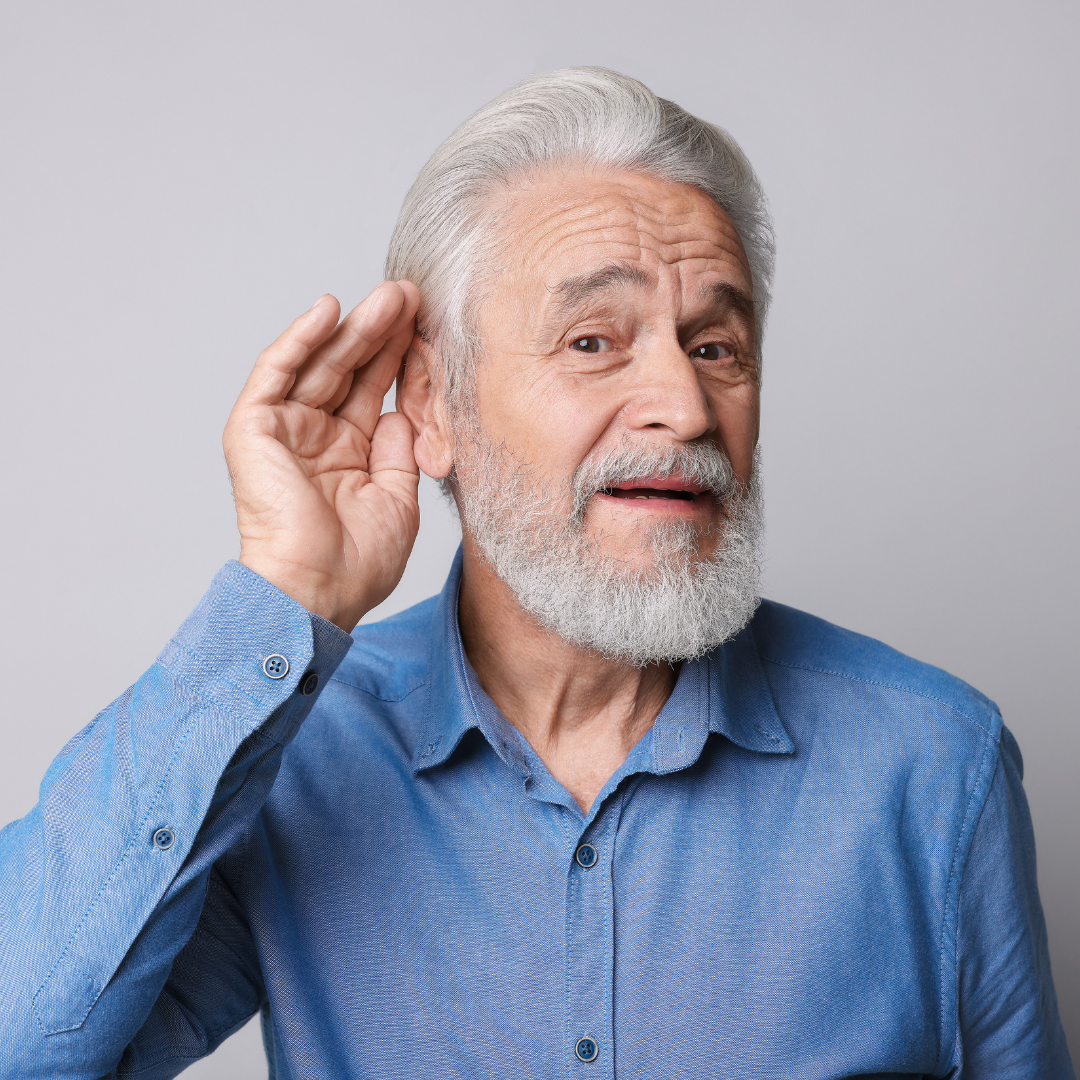
Experiencing a rapid decline in hearing in a single ear is a distressing event that creates understandable uncertainty. We deliver urgent diagnostic hearing tests and partner with otolaryngologists to ensure comprehensive medical intervention when hearing drops rapidly. A sudden hearing loss always warrants immediate assessment by a hearing specialist to evaluate therapeutic options or personalized rehabilitation.
Why Acute Single-Sided Hearing Loss Demands Emergency Care
Absolutely. Experiencing sudden hearing loss on one side constitutes a clinical emergency, especially when the drop happens over hours or a couple of days. Sudden sensorineural hearing loss, sometimes called sudden deafness, involves the inner ear or the nerve pathways that carry sound to the brain. It often occurs without pain and may be mistaken for congestion or a plugged ear.
Common clinical manifestations include:
- A rapid unilateral loss of sound volume and word distinction
- Difficulty processing telephone audio when switching the device to the affected ear
- A noticeable pop or sudden sensation of aural pressure just before hearing drops
- The abrupt emergence of ringing, static buzzing, or roaring tinnitus on the affected side
- Co-occurring vestibular symptoms such as room-spinning vertigo, lightheadedness, or unsteadiness
Do not adopt a wait-and-see strategy hoping the auditory deficit corrects itself. Contact us, an urgent care clinic, or an ear, nose, and throat specialist for same-day guidance.
Why Rapid Clinical Intervention Matters for Sudden Unilateral Hearing Loss
Timely clinical evaluation is critical because therapeutic interventions for sudden sensorineural hearing loss demonstrate the highest success rates when started early. We must immediately determine if the loss is conductive—stemming from earwax blockage or middle-ear pathology—or sensorineural, signifying inner ear or neural involvement. Both conditions produce overlapping sensations of aural fullness and hearing loss, but their clinical interventions are entirely divergent.
Otoscopic examination and full-battery diagnostic hearing testing determine the specific classification, audiogram pattern, and severity of the hearing loss.
Seek emergency care immediately if sudden hearing loss occurs with:
- Marked facial drooping, unilateral weakness, or loss of sensation
- Inability to formulate words, sudden mental confusion, or a severe, atypical headache
- Diplopia (double vision), syncope (fainting), or severe gait ataxia
- Acute angina (chest pain) or any secondary indicators of systemic vascular crisis
These symptoms may indicate a neurological or vascular emergency and should not be evaluated through a routine appointment.
Pathophysiological Causes of Sudden Sensorineural Hearing Loss
Clinically, most instances of sudden sensorineural hearing loss are classified as idiopathic, meaning the root cause cannot be established. When a cause can be identified, it may involve inflammation, injury, circulation, the immune system, or another condition affecting the inner ear or auditory nerve.
Recognized pathological triggers include:
- Acute infections of viral or bacterial origin
- Severe head trauma or direct exposure to an explosive acoustic blast
- Systemic autoimmune pathologies targeting the auditory labyrinth
- Medications that can damage the inner ear
- Acute circulatory compromise or cochlear microvascular infarction
- Structural inner ear diseases, notably symptomatic Ménière’s disease
- Neurodegenerative or demyelinating disorders such as multiple sclerosis
- A vestibular schwannoma (acoustic neuroma) developing on the vestibulocochlear nerve
Because the difference cannot be confirmed by symptoms alone, prompt examination and audiologic testing are important.
Evidence-Based Therapies for Sudden Sensorineural Hearing Loss
High-dose corticosteroids serve as the primary first-line medical therapy when sudden sensorineural hearing loss presents without an identifiable cause. The treatment can be administered systemically via oral tablets or delivered locally through the tympanic membrane to reach inner ear structures directly. Therapeutic recommendations are established by our clinical providers, incorporating symptom onset timeframes, audiometric thresholds, underlying systemic health, and adverse effect profiles.
Initiating steroid therapy within the first 14 days of symptom emergence is critical, emphasizing the importance of starting as early as possible. Targeted intratympanic steroid injections are often indicated as salvage therapy when oral regimens fail to provide full auditory restoration. For qualifying clinical cases, an ENT physician may evaluate hyperbaric oxygen therapy (HBOT) administered concurrently with high-dose steroids.
Will Sudden Hearing Loss in One Ear Resolve Without Medical Treatment?
Sudden sensorineural hearing loss can improve without treatment. About half of affected people regain some or all of their hearing spontaneously, often within the first one to two weeks. However, modern medicine possesses no validated mechanism to determine early on which individuals will recover, what volume of sound will return, or if gains will endure.
The possibility of spontaneous recovery is not a reason to delay care. Therapeutic success diminishes significantly if care begins weeks after the incident, meaning delays can permanently eliminate an important window of recovery. Hearing recovery spans a spectrum ranging from complete resolution to partial restoration or minimal gains.
What Happens If Sudden Sensorineural Hearing Loss Fails to Improve?
If the affected ear does not regain full function, subsequent steps hinge on residual hearing levels, word-recognition clarity, and the exclusion of structural pathology. We may advise undergoing an MRI with contrast or an auditory brainstem response test to inspect the integrity of the acoustic nerve and adjacent neurovascular structures.
Advanced long-term management strategies feature:
- Fitting a traditional hearing aid whenever the affected ear possesses aidable hearing capacity
- Utilizing a CROS hearing aid system designed to stream acoustic signals from the impaired ear to the normal-hearing ear
- An implantable bone-conduction hearing processor for patients satisfying audiological criteria
- A cochlear implant evaluation for patients presenting with profound single-sided deafness
- Tailored assistive listening systems to improve communication across work, academic, or social settings
Audiologic rehabilitation can also address listening fatigue, sound localization, and communication difficulties. Choosing the best rehabilitative device hinges upon clinical hearing test scores, communication environments, medical background, and individual preferences.
Arrange an Emergency Hearing Evaluation
If your hearing changed suddenly today or during the past several days, request same-day medical direction rather than waiting for a routine consultation. Our audiologists will carry out diagnostic hearing tests, measure bilateral ear performance, assess symptom timelines, and coordinate directly with an ENT doctor or primary physician.
Contact us to request a prompt hearing appointment.