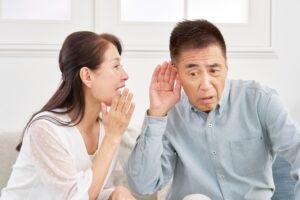

After 50, hearing changes rarely appear all at once. For many adults, they develop slowly and quietly, making them easy to dismiss as normal aging: turning the TV up a little louder, struggling to follow conversations in noisy places, or feeling mentally drained after social gatherings.
Karen Melton, Au.D., a HearingLoss.com®-Certified Provider, explains why establishing a baseline hearing test at 50 is an important step in protecting long-term hearing and brain health. Left unmonitored, even mild hearing loss can influence memory, focus, emotional well-being, and overall quality of life. Learn how early awareness, professional evaluation, and ongoing monitoring can help you stay connected, confident, and engaged as you age.