
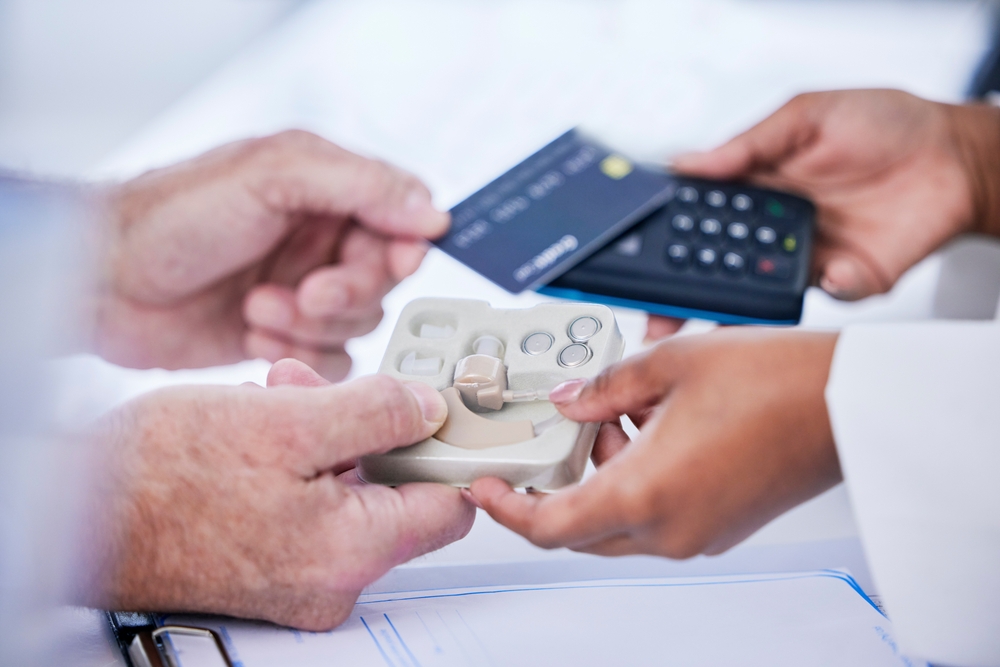
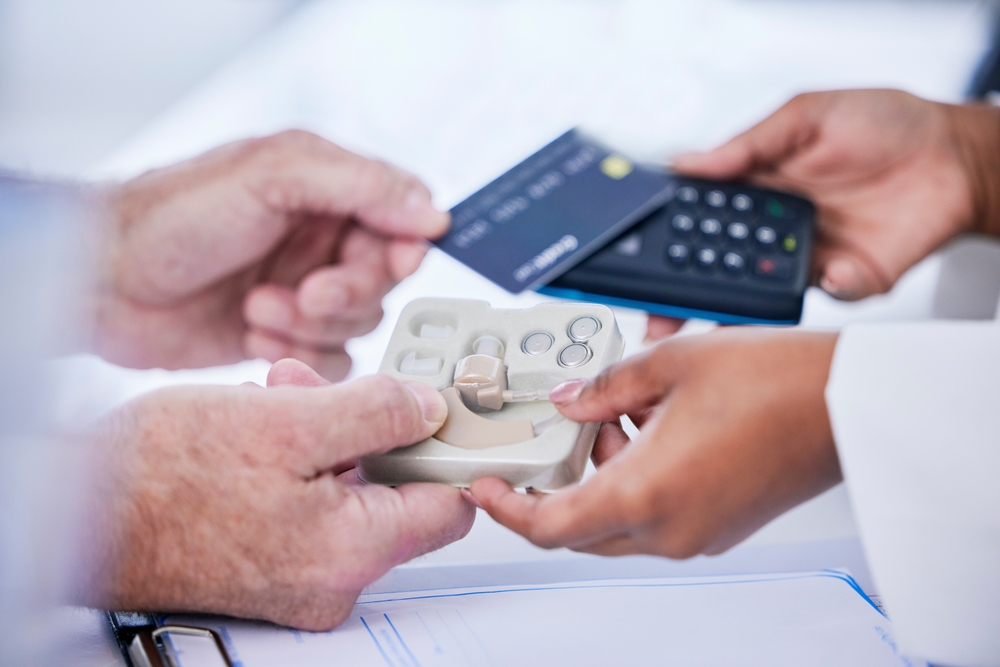
For individuals evaluating advanced auditory technology, the upfront capital required is frequently the first noticeable factor. Depending on the technology and level of care involved, modern hearing aids can range from a few hundred dollars to several thousand. For many people, that comes as a surprise, and it can understandably feel like a stopping point.
Although the retail price is substantial, alternative funding mechanisms change the clinical landscape. Many don’t realize that the sticker price is rarely what you actually end up paying. Through the strategic use of indemnity policies, dedicated health accounts, and flexible payment timelines, the acquisition process becomes highly manageable.
We provide this breakdown of available funding avenues to empower your decision-making before your consultation, optimizing your path to enhanced sound localization.
Maximizing Private and Employer Insurance Benefits for Acoustic Devices
Before assuming you’ll be paying completely out of pocket, start with your insurance.
For individuals holding commercial or corporate group health policies, benefit structures for otologic devices are highly inconsistent. Certain contracts provide percentage-based co-insurance, whereas alternative policies offer a rigid monetary stipend. On the other hand, some don’t include hearing aids at all. To find out more, call the number on your insurance card and ask about hearing aid benefits. You should explicitly confirm benefit renewal intervals, whether post-fitting care is covered, and contracted clinic networks.
For beneficiaries enrolled in federal programs, note that Original Medicare (Parts A and B) excludes coverage for routine hearing aids. However, many Medicare Advantage (Part C) plans do include hearing benefits, usually as a set yearly allowance.
For low-income individuals on Medicaid, regional state guidelines dictate the scope of available hearing care. Certain jurisdictions offer full or partial device funding for qualified applicants, which your clinic can help verify.
Maximizing Health Savings and Flexible Spending Accounts for Otologic Technology
Individuals contributing to an HSA or FSA possess a specialized tax-mitigation tool perfectly suited for audiological procurement.
Hearing aids are a qualified medical expense, which means you can use pre-tax dollars to cover the cost. Utilizing this financial pathway yields substantial savings that alter the economic equation. To illustrate, a patient in the 22% federal tax tier purchasing a $2,000 system reduces their real economic impact to approximately $1,560. While HSA vehicles allow long-term capital accumulation, standard corporate FSAs enforce a rigid use-it-or-lose-it clause each calendar cycle. That means it’s especially important to use those funds before they’re lost! Both prescription and many over-the-counter hearing aids qualify, so it’s worth checking your balance before your appointment.
Utilizing Patient Financing Programs to Defer Auditory Technology Costs
Most established audiology centers provide entry points to dedicated consumer medical credit lines, eliminating the need for total upfront liquidation. Such specialized medical credit instruments, including CareCredit, commonly offer deferred-interest terms for designated durations. Consequently, patients are empowered to select the appropriate level of technological sophistication rather than compromising on their clinical needs.
Addressing installment options is a commonplace component of the overall treatment plan development. If budgetary constraints are a factor in your decision-making, ensure you communicate this to your provider. Recognize that these corporate and clinical credit options are deliberately positioned to bridge the affordability gap! The medical community firmly believes that securing vital sensory rehabilitation should never require severe financial disruption.
Veterans: Your Hearing Benefits May Be Greater Than You Think
Hearing loss is one of the most common service-related conditions among veterans, and it’s important to know that the Veterans Administration (VA) offers meaningful support.
Those with verified eligibility can obtain top-tier otologic hardware with no out-of-pocket exposure via the VA health network. Even in the absence of an official service-connected disability rating for hearing, overall VA priority grouping may grant access. If you have not yet audited your federal benefits, contacting a regional VA officer or requesting help from your clinic is a valuable next step.
Charitable and Community Programs May Cut Hearing Aid Costs
Independent philanthropic organizations and civic associations offer specialized avenues to mitigate the expense of hearing devices. Organizations like the Starkey Hearing Foundation and Lions Club International offer assistance to qualifying individuals. Additionally, select state health departments manage specialized equipment distribution programs for qualifying low-income residents.
Although these civic grants frequently carry rigid income thresholds and waiting intervals, they are highly valuable when commercial insurance fails. You can check online with most of these organizations to see if you qualify, or at least get the conversation started.
OTC Hearing Hardware: A Technical Assessment of Lower-Cost Auditory Options
Over-the-counter (OTC) hearing products represent an entry-level financial tier, generally priced between $200 and $1,000 for a dual-device configuration. This retail equipment is specifically engineered to address uncomplicated, mild-to-moderate sensory changes in mature populations.
Yet, without the intervention of an expert to customize the acoustic programming, many users fail to achieve adequate speech intelligibility. In cases of advanced sensory impairment, prescription hardware calibrated to a precise audiogram is mandatory for successful rehabilitation.
Rather than purchasing an OTC model out of economic necessity, investing in a professional evaluation establishes your true baseline needs. Retail devices function adequately as a temporary placeholder while awaiting insurance pre-authorization or institutional grant approvals. They provide immediate, basic acoustic access that outperforms unamplified conditions, though they lack long-term clinical viability.
Partnering with Our Clinic to Navigate Auditory Technology Financing
Our administrative staff is deeply experienced in aligning technological needs with realistic financial solutions for our community. The available matrix of alternative funding mechanisms is frequently broader than patients anticipate.
Provide your health insurance credentials at your intake visit, allowing us to audit your benefits and maximize your available financial credits. Contact our scheduling desk today or utilize our digital portal to book your comprehensive diagnostic audiology appointment. Our practice is committed to identifying an optimization path that respects your budget while restoring your quality of life.