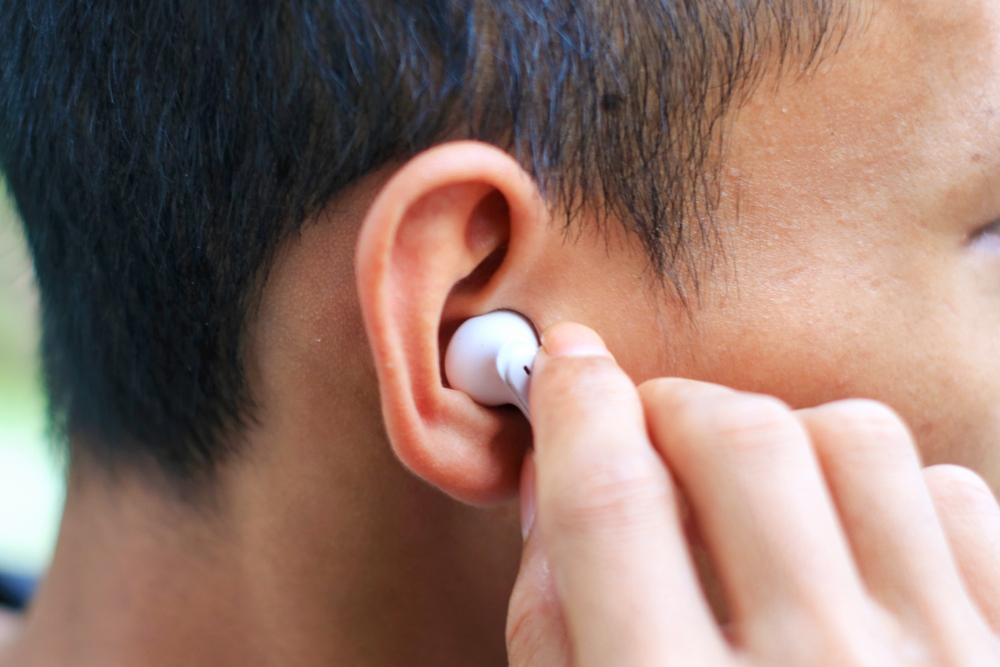
It is increasingly uncommon to observe a young adult in a public setting without an earbud in place. While traditional headphones are more substantial in size, adolescents frequently utilize them to create a private acoustic environment. We all enjoy listening to music, no matter our age, but younger people rely on music to pass the time. This leads to the clinical question: can the proximity of these devices to the ear canal trigger permanent auditory damage? Ultimately, hearing health depends on the management of volume and duration rather than the device category.
The Risks of Prolonged High-Decibel Exposure
Listening to music can be relaxing, soothe our souls, or wind us up. This subjective experience is dictated by the specific characteristics of the chosen track. Employing in-ear monitors is an effective method for maintaining acoustic privacy in public environments. That’s a positive thing, and most people will tell you that they are grateful and prefer that on a train or bus.
The essential inquiry remains: at what decibel level and timeframe does listening become dangerous? The biological fact is that high-intensity sound waves are inherently damaging to the auditory system. Combining high-intensity sound with extended exposure times can lead to permanent sensorineural damage. Since hearing shifts occur incrementally, the window for prevention has often closed by the time a patient seeks help.
Identifying the Critical Risks of Personal Audio
The intensity of the decibels is the leading risk factor for permanent auditory trauma. Nevertheless, the timeframe of the sound exposure is just as critical a factor as the intensity itself.
- The National Institutes of Health advises that sounds under 70 decibels are generally safe for the human ear.
- There is a direct correlation between increased sound pressure and the speed of hearing degradation.
- To protect your ears, utilize the 60/60 guideline: never exceed 60% power and rest after 60 minutes of use.
- Protect your hearing by turning down the volume on your device and limiting your exposure.
Recognizing the Symptoms of Auditory Damage
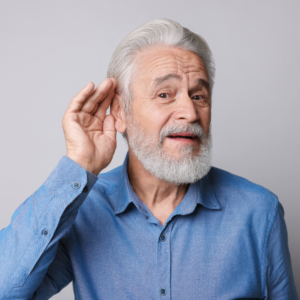
If you notice muffled speech, struggle with background noise, experience **tinnitus**, or constantly require others to speak up, a professional evaluation is necessary.
If you suspect a decline in your hearing, contact our office to begin a professional diagnostic process.