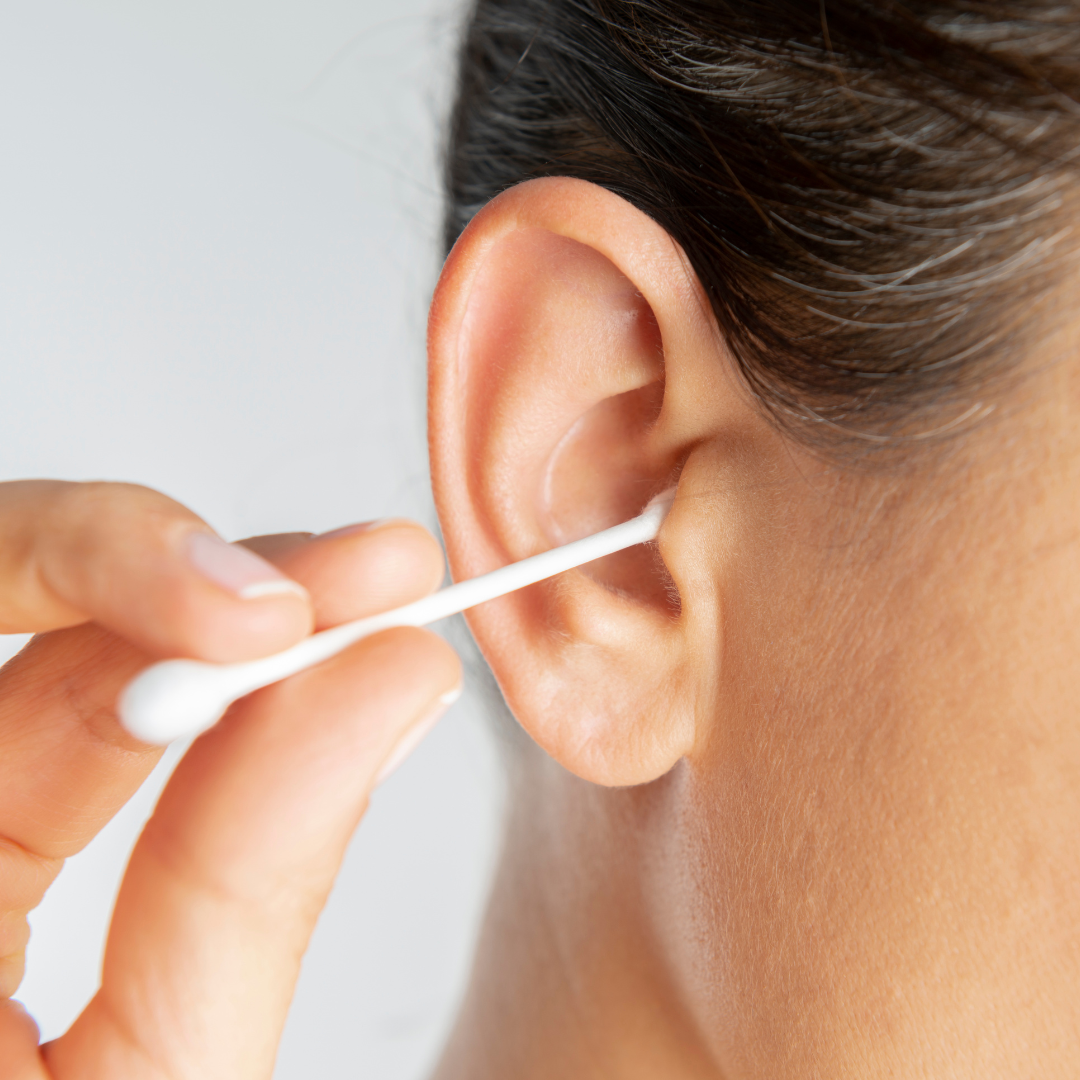
Although cotton swabs appear to offer an easy hygiene solution, pushing them into the ear canal often worsens wax accumulation and risks tissue trauma. We assess whether your earwax demands professional intervention and provide customized care strategies that match your clinical profile. Healthy ears rarely require aggressive manual intervention; nevertheless, when blockage develops, we assist patients in safely extracting excess cerumen.
Why Cotton Swabs Create Complications Inside the Ear
Earwax, or cerumen, is not dirt. Cerumen works to entrap airborne particles, deter infectious pathogens, hydrate the auditory canal, and protect thin dermal layers. Natural temporomandibular jaw motion combined with epithelial migration steadily pushes aging cerumen outward, where it naturally sheds or rinses away in the shower.
Using a cotton swab within the ear canal halts this physiological self-cleaning function. Though the cotton tip may capture superficial debris, it frequently rams the larger wax volume deeper toward the tympanic membrane. Habitual use tends to compress wax into a stubborn plug, producing an uncomfortable blocked feeling that prompts further harmful scrubbing.
You may gently utilize cotton swabs across the external auricle, but you should avoid inserting them into the internal canal.
How Cotton Swabs Cause Physical Trauma to the Ear
The delicate dermal lining of the auditory canal is remarkably thin and susceptible to lacerations. Microscopic tears cause acute discomfort or hemorrhage while exposing tissue to bacteria, which heightens the probability of an outer ear infection. In addition, the cotton head can loosen and become retained as an obstructing foreign object in the ear.
Swab-related clinical injuries include:
- Earwax pushed into a deeper impaction
- Localized scratches, severe irritation, tissue edema, or bleeding
- Localized microbial infection of the external canal
- Retained cotton tips or foreign debris inside the canal
- Structural tears or perforations across the eardrum
- Dislocation or injury of the delicate hearing ossicles
- Transient hearing reduction or permanent sensorineural loss
- Ringing in the ears, balance disruption, or sharp ear pain
Though critical trauma is uncommon, an unexpected collision, a sudden slip, or overzealous penetration can cause extensive ear injury.
How Frequently Should You Remove Earwax?
Most people do not need to remove earwax on a schedule. Normal ears migrate cerumen toward the opening constantly, allowing routine bathing to cleanse the visible exterior. Aggressive hygiene removes protective lubricants, provokes skin inflammation, and heightens the likelihood of infection or cerumen buildup.
Extraction is medically indicated when cerumen fully occludes the lumen, blocks visual examination of the eardrum, compromises hearing aid function, or induces pain.
How to Address Earwax Safely at Home
In the absence of earwax symptoms, allowing natural physiological clearance is universally the safest strategy. Use a damp, soft cloth to clean only the exterior ear structures, allowing the inner canal to maintain itself.
When dense wax needs to be softened, we may suggest specialized OTC drops or solutions containing carbamide peroxide, saline, glycerin, or mineral oil. Dispense only the directed amount and restrict use strictly to the timeframe specified on the product packaging. Stop treatment promptly if the drops elicit sharp pain, noticeable dizziness, allergic rash, or worsening hearing complaints.
Performing irrigation at home is unsafe for certain individuals and must only proceed after a clinician verifies ear safety and explains the protocol. Never attempt to flush your ear canal with a pressurized dental water irrigator. Avoid hazardous gadgets including ear candles, sharp metal loops, camera-assisted tools, hair clips, and home vacuum extractors. These dangerous tools carry severe risks of burning skin, lacerating canal tissue, puncturing the tympanic membrane, or packing wax inward.
When Should I See a Doctor for Earwax Removal?
Make an appointment when the ear remains obstructed after using softening drops, wax is tightly packed, or home methods prove unsuccessful. Direct clinical removal is particularly indicated when a patient cannot remain still, possesses tortuous or narrow canals, uses hearing aids, or has a history of ear surgery.
Schedule an ear exam promptly if you experience:
- Persistent otalgia, stubborn itching, or painful sensitivity around the ear
- Active bleeding, pus formation, clear exudate, or malodorous drainage
- Fever combined with visible swelling or redness around the ear
- Sudden-onset tinnitus or vestibular dizziness
- Hearing loss that develops suddenly or continues after wax removal
- A suspected tympanic membrane rupture or retained swab material
- Repeated wax accumulation that impairs prescription hearing devices
You should always treat sudden unilateral hearing loss as an urgent medical emergency instead of assuming simple cerumen occlusion. Prompt testing can distinguish a blockage from a time-sensitive inner-ear problem.
How Healthcare Providers Extract Impacted Earwax
Our clinical team begins by evaluating the ear canal using an otoscope or binocular microscope to confirm cerumen impaction and inspect for infection, trauma, or tympanic membrane perforations. The most appropriate removal approach is determined by wax texture, canal structure, patient background, surgical history, and individual tolerance.
In-office clinical procedures include:
- Medical-grade wax softeners administered prior to or during the procedure
- Controlled ear flushing using warm, body-temperature water on intact eardrums
- Precision micro-suction under continuous microscopic visualization
- Direct physical removal using precision instruments such as loops, curettes, or tiny forceps
Visual guidance empowers the clinician to protect delicate canal skin and pause immediately if sensitivity is detected. Combining multiple extraction techniques is sometimes required for stubborn, dehydrated, or densely consolidated cerumen. Following the procedure, the ear is re-evaluated to guarantee that both the canal passage and eardrum are clear and healthy. If post-cleaning symptoms such as fullness, tinnitus, unsteadiness, or hearing reduction persist, specialized testing can locate the primary cause.
Contact Us for Safe Professional Earwax Removal
If your ears feel blocked or your hearing has changed, schedule an evaluation with us instead of reaching for a Q-Tip. The diagnostic session entails reviewing your symptom timeline, past otologic procedures, hearing aid usage, past home treatments, and risk factors for recurring cerumen. Get in touch with our team to request a specialized earwax-removal consultation.